Smart DIY PVC Hoop House: Managing Tomatoes, Peppers, and Eggplants with AI
Disclaimer: This post contains affiliate links. As an Amazon Associate, we earn from qualifying purchases. This helps support our DIY engineering projects at no extra cost to you.
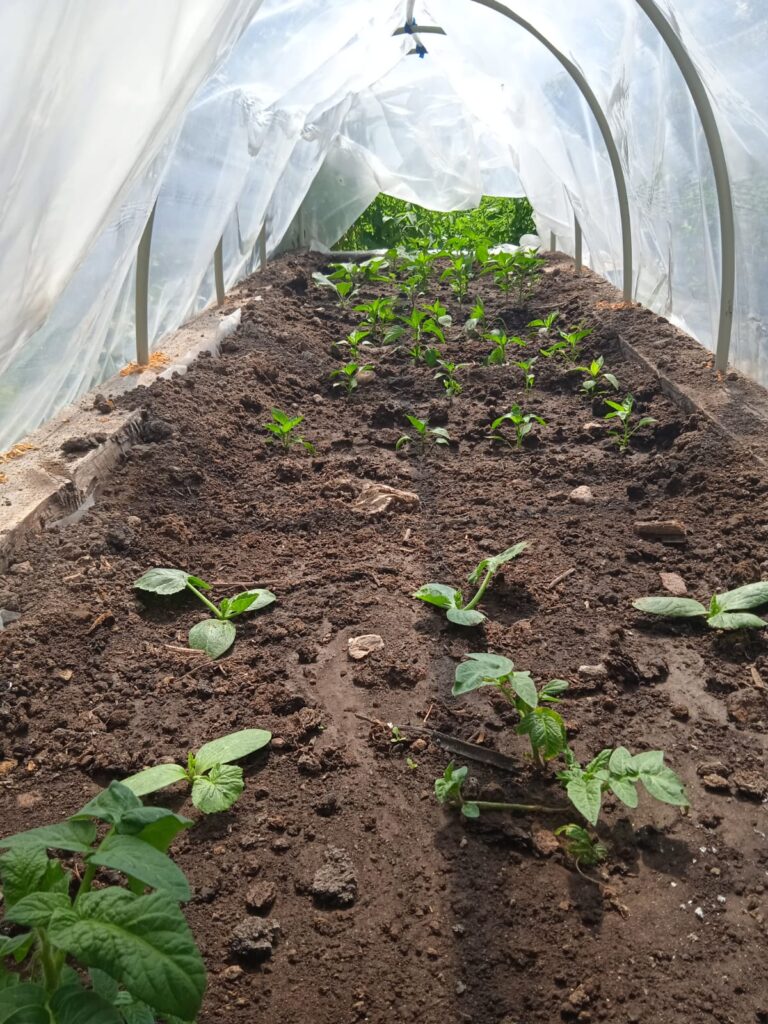
Smart diy pvc hoop house. Building a reliable backyard greenhouse does not require expensive prefabricated kits. A custom-built low tunnel hoop house made from PVC pipes offers superior wind resistance, excellent heat retention, and total customization for your raised beds.
If you are just starting out with backyard fabrication, be sure to check out our previous foundational guide: Read our step-by-step guide on bending and anchoring basic PVC greenhouse frames here.
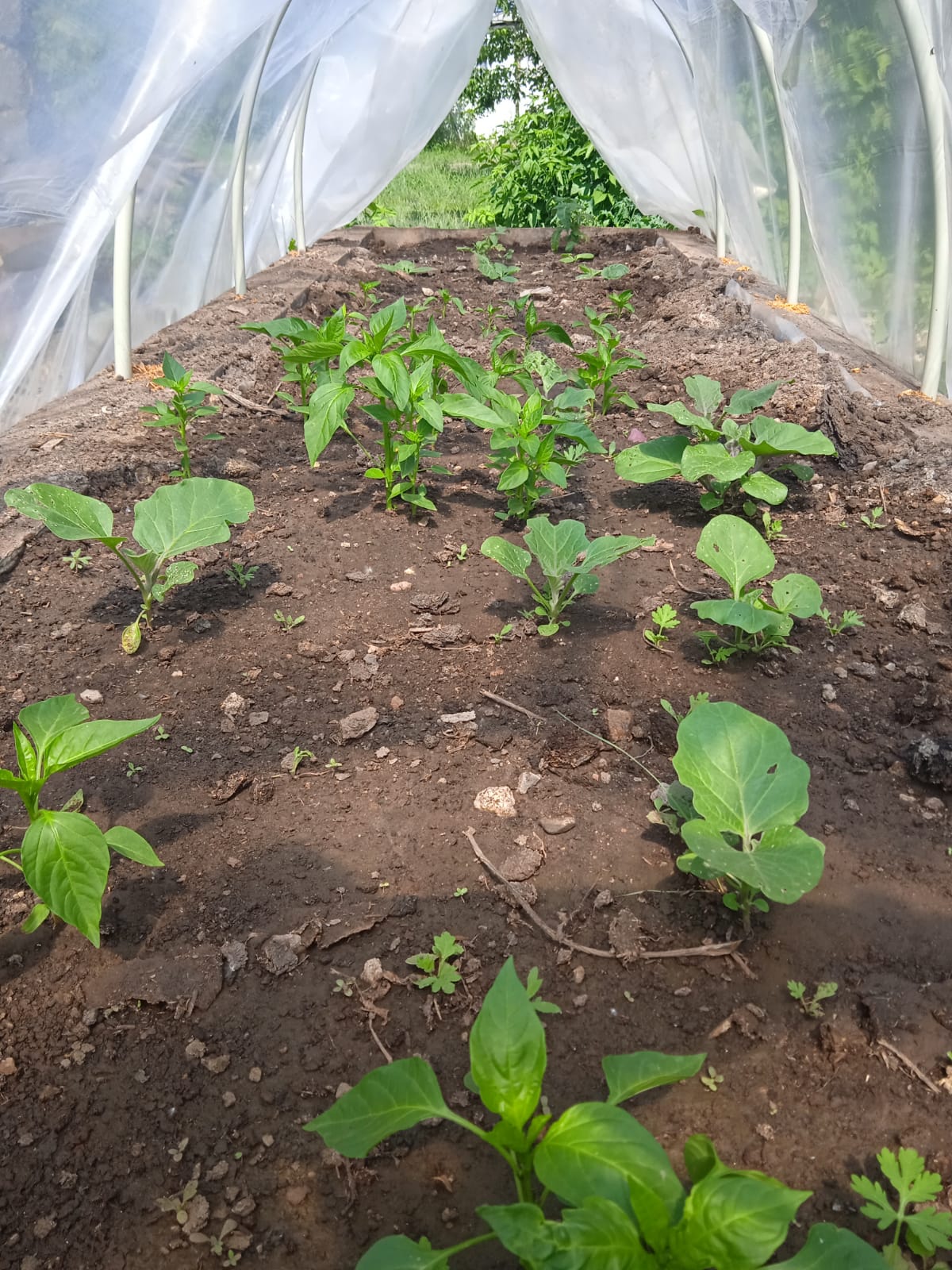
In this guide, we will upgrade that basic structure with a rigid ridge pole, explore the specific microclimate needs of nightshades (tomatoes, peppers, and eggplants), and use AI to take the guesswork out of your watering schedule.
Essential Materials and Upgraded Tool List
To build a storm-proof PVC hoop house, you need materials that won’t degrade under heavy UV exposure or snap in high winds.
- 1/2-inch Schedule 40 PVC Pipes: Flexible enough to bend, strong enough to hold shape.
- [ UV-Resistant Clear Greenhouse Plastic Sheeting, 6 Mil]: Do not use standard construction plastic; it will disintegrate in one season.
- [Amazon: Heavy-Duty Cobalt Drill Bit Set]: Essential for drilling clean holes through the PVC pipes without cracking them.
- Galvanized Bolts and Nuts (1/4 inch): For securing the ridge pole intersections.
- [Amazon : Soil Moisture and pH Meter]: A cheap but vital tool for monitoring the enclosed raised bed.
The Engineering Upgrade: The Bolted Ridge Pole
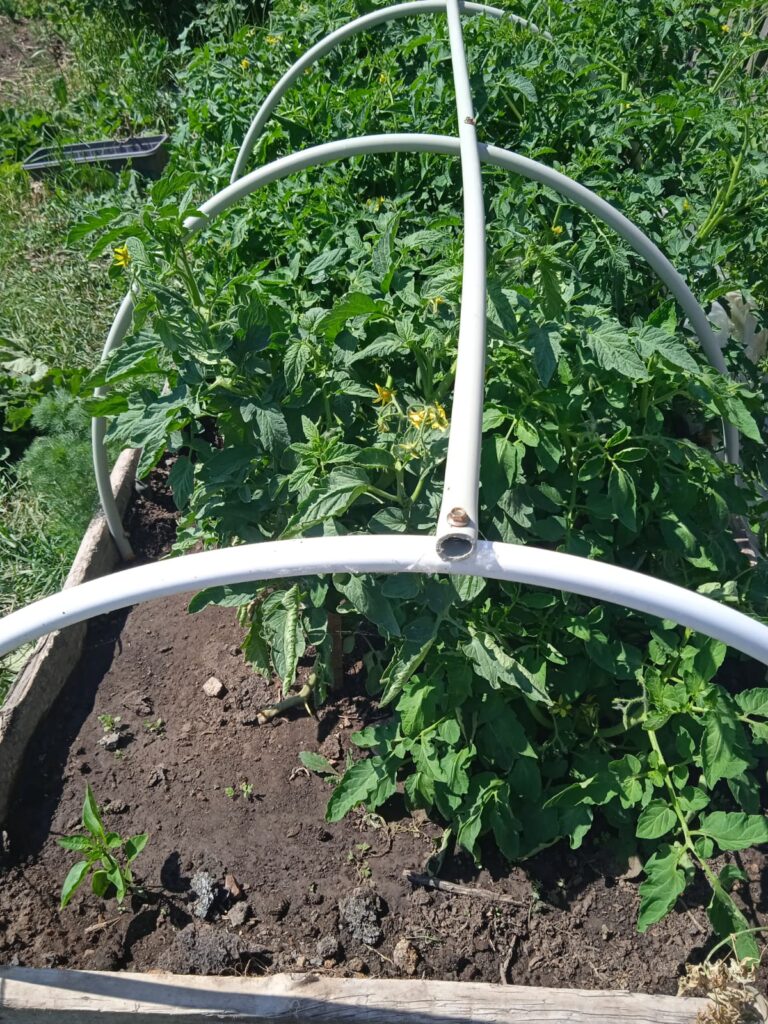
The most common point of failure in cheap hoop houses is the lack of a longitudinal structural tie. Arches that act independently will fold like dominoes in a storm.
Instead of relying on expensive, brittle PVC cross-connectors, run a single, straight PVC pipe along the top dead center of the inside of your arches. Drill a hole directly through both intersecting pipes and lock them together with a galvanized bolt and nut. This mechanical connection distributes wind load evenly across the entire wooden base.
Greenhouse Microclimate Requirements
Tomatoes, bell peppers, and eggplants all belong to the nightshade family, making them excellent companions in a single hoop house. However, enclosing them under plastic drastically alters soil evaporation and ambient temperature. According to guidelines from the , managing humidity and temperature spikes is critical to preventing blossom drop.
Here is a quick reference for managing these crops in a shared hoop house:
| Crop Type | Ideal Daytime Temp | Watering Priority | Key Nutrient Focus |
| Tomatoes | 70°F – 85°F | Deep, infrequent watering | High Potassium (fruiting stage) |
| Bell Peppers | 75°F – 85°F | Consistent, even moisture | Calcium (prevents rot) |
| Eggplants | 80°F – 90°F | High moisture, mulched | Nitrogen (early), Potassium (late) |
AI Bonus: Smart Watering & Feeding Schedule
Because the enclosed space changes how the soil retains moisture, standard open-garden advice won’t always work. Instead of guessing and risking root rot, you can use generative AI to create a precise, custom care schedule for your specific climate zone.
Copy and paste this exact prompt into ChatGPT or Claude to get a customized maintenance plan:
“I am growing tomatoes, bell peppers, and eggplants together in a DIY PVC hoop house. Generate a week-by-week watering schedule and a fertilizing plan for both the vegetative and fruiting stages. Please specify the ideal nitrogen-to-potassium ratios for these specific crops to maximize yield in a high-humidity greenhouse environment.”
The AI will output a tailored roadmap, allowing you to focus on the mechanical maintenance of the garden rather than guessing fertilizer ratios.
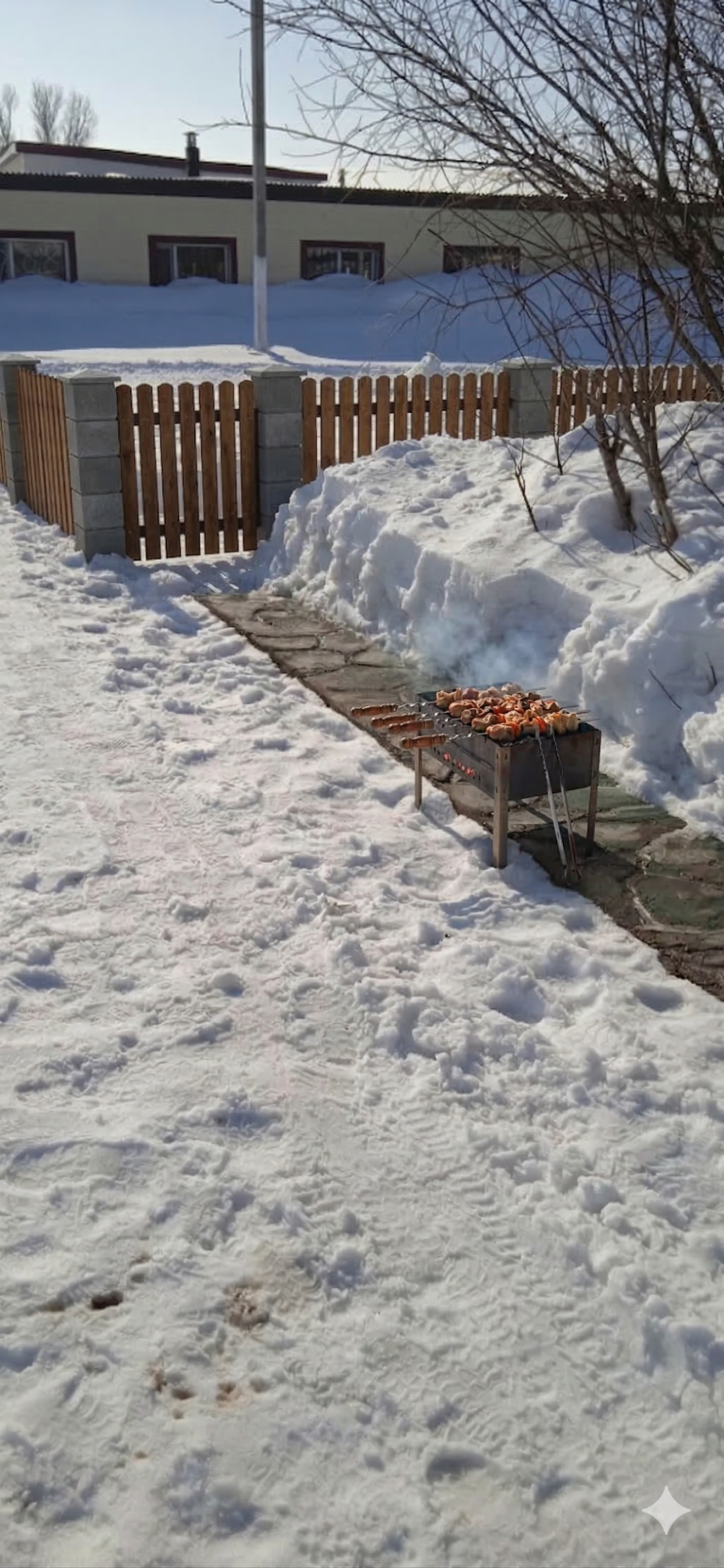
Smart diy pvc hoop house. What’s Next? From Garden to Grill
Growing the food is only half the fun. Stick around until autumn, because once these eggplants and peppers are fully grown and ready to harvest, we will be publishing a complete engineering guide on how to weld and fire up a custom-built DIY metal grill (mangal). We will show you how to roast your greenhouse harvest to absolute perfection over an open flame.