Engine Knock Panic: Drilling a Broken Crankshaft Bolt & Why You Need an Engine Ear AI
Legal & Safety Disclaimer: The information provided in this article is for educational and DIY troubleshooting purposes only. I am a practical engineer and garage enthusiast, not a certified mechanic. Automotive diagnostics and in-situ drilling can be dangerous; always prioritize safety and consult a professional for critical repairs. This site contains affiliate links (including Amazon), meaning I may earn a small commission at no extra cost to you if you purchase through them.
Engine Ear AI. If you spend enough time wrenching on cars, you eventually hit a mechanical nightmare that tests your patience and your tools. Recently, while driving my trusty ’93 daily driver (an Opel Vectra 1.6L), I experienced exactly that: a sudden, violently loud knocking sound coming from the engine bay.
My first thought? Rod knock. Game over. But the reality was a bizarre failure that forced me into one of the toughest in-situ garage repairs I’ve ever done. Looking back, having an engine ear ai app on my phone would have saved me a massive amount of roadside panic.
Here is the story of my snapped crankshaft pulley bolt, how I limped the car home, and why I now trust artificial intelligence to analyze engine noises.
The Incident: When the Engine Starts Hammering
I was cruising at normal speed when a heavy, rhythmic metallic knock started echoing from under the hood. I immediately pulled over. The engine was running, but the sound was bouncing off every metal surface.
Without a mechanic’s stethoscope, pinpointing a noise in a running engine bay is incredibly difficult. Was it a collapsed hydraulic lifter? A dying water pump bearing?
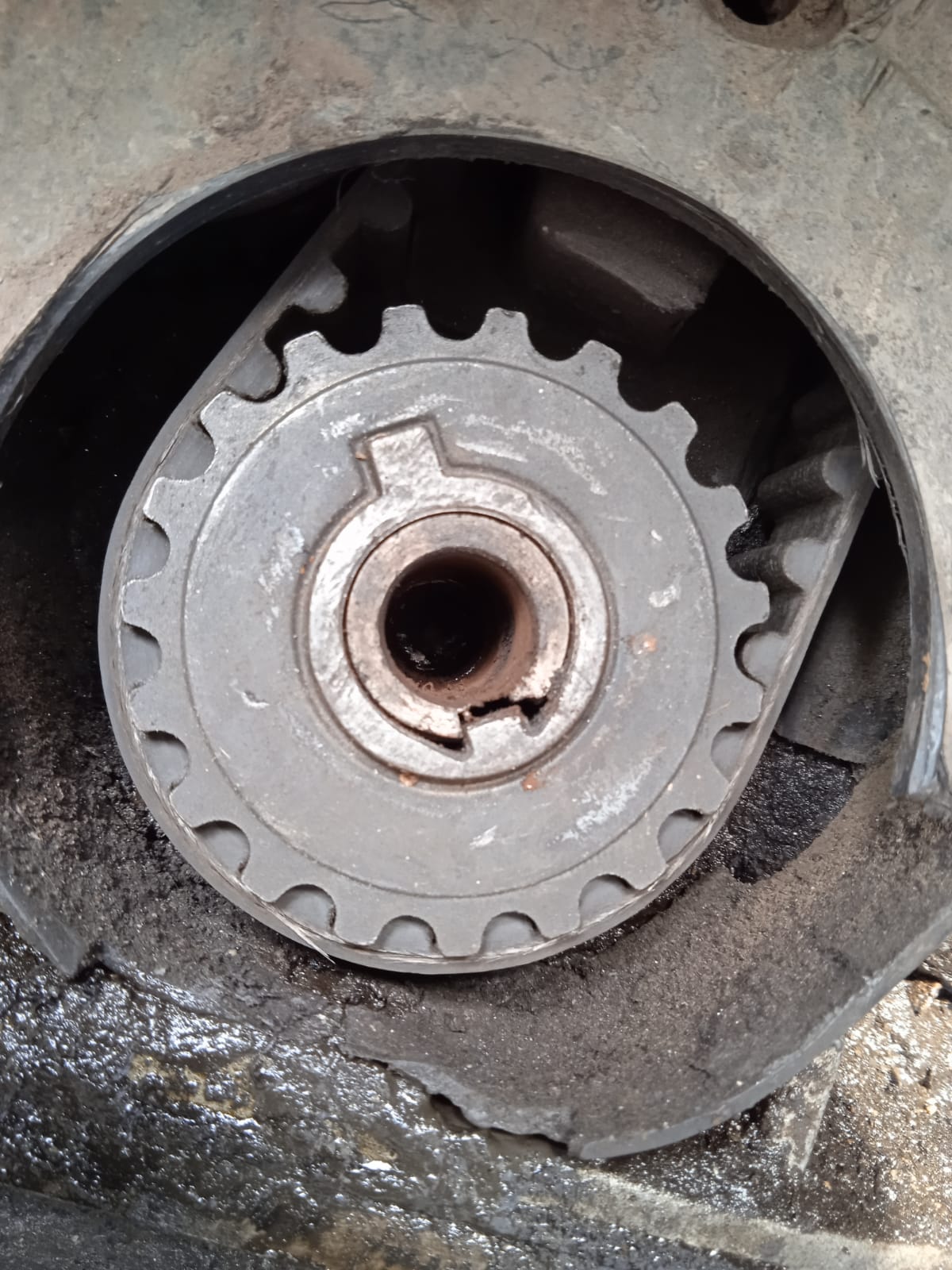
It turned out, the central bolt holding the crankshaft pulley had completely sheared off. Half of the bolt was left deep inside the threaded hole of the crankshaft. The pulley itself stayed on the shaft, but it was wobbling just enough to create a terrifying hammering noise against the block.
Knowing I couldn’t fix a broken crank bolt on the shoulder of the road, I had to reduce the rotational stress immediately. I removed both the alternator and power steering belts and drove the car home strictly on battery power. Without the accessory load pulling on the wobbly pulley, I managed to get back to the garage safely.
How an “Engine Ear AI” Would Have Helped
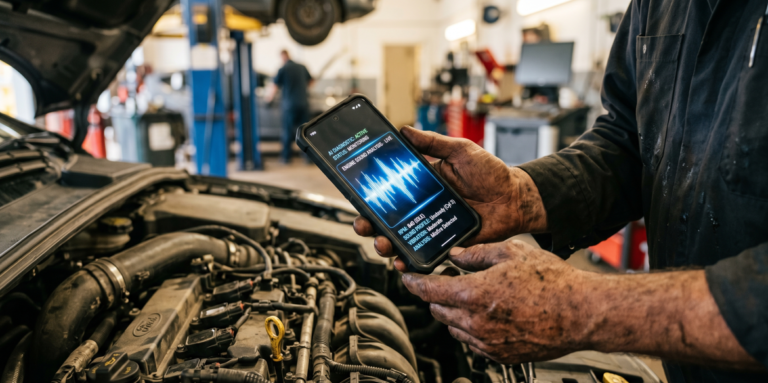
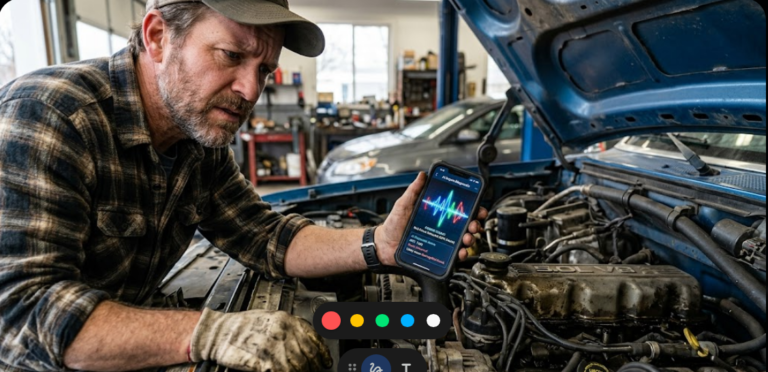
Sitting on the side of the road, I assumed the worst. This is where modern technology shines. If I had an engine ear ai diagnostic app installed, I could have recorded the sound immediately.
These smart tools act like a digital mechanic’s stethoscope. An engine ear ai uses algorithmic filtering to isolate frequencies. It would have analyzed the rhythm and pitch and told me instantly: “This is a lower-engine rotational knock, likely an external accessory or pulley issue,” rather than internal bearing failure. It stops you from guessing and gives you a logical starting point.
The Nightmare Repair: Drilling a Crankshaft In-Situ
Once in the garage, the real battle began. Extracting a hardened bolt from a crankshaft while the engine is still inside the car is a miserable job.
- The Extractor Failure: I started with standard screw extractors (Easy Outs). I drilled a pilot hole, tapped the extractor in, and carefully applied torque. It wouldn’t budge. Standard extractors are incredibly brittle, and breaking one inside the bolt would have meant pulling the whole engine.
- The Precision (and Smoking) Drilling Method: The only option left was to drill the bolt out entirely. I used a high-quality center punch to ensure perfect alignment. Crucial Garage Tip: Standard drill bits will melt against a hardened automotive bolt. You must use cobalt drill bits.
- I started with a 6mm cobalt drill bit to create a pilot hole. I ran the heavy-duty drill at very low RPMs and constantly cooled the bit and the bolt with water to prevent work-hardening the steel.
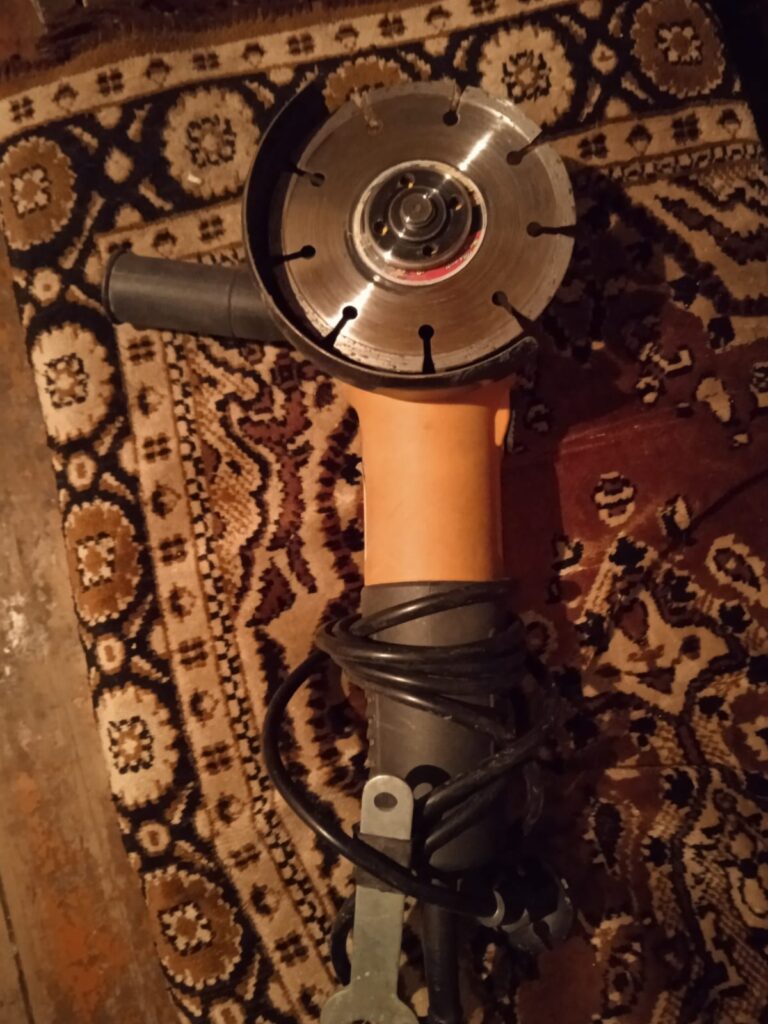
- Pushing the Tools to the Limit: Once the 6mm pilot hole was through, I stepped up directly to an 11.5mm cobalt drill bit. The friction and load pushed my power tool to its absolute limit—halfway through the cut, my drill actually started smoking! I had to pause, let the motor cool down, and keep flooding the bit with water. The drill stubbornly survived just long enough to hollow out the core of the bolt.
- The Fix: The factory crankshaft bolt uses an M12 thread. I carefully ran an M12x1.75 tap into the hole. The tap precisely cut through the remaining slivers of the old bolt, restoring the original threads perfectly. A brand new OEM bolt and some heavy-duty threadlocker finally solved the issue.
Diagnostic & Repair Tool Comparison
To figure out what belongs in your toolbox for a job like this, here is a quick breakdown:
| Tool | Primary Use | Cost | Limitation |
| Engine Ear AI App | Identifying the type of mechanical failure via sound | Free / Low | Relies on smartphone microphone quality |
| Mechanic’s Stethoscope | Pinpointing exact noise location | Under $20 | Requires a trained human ear |
| Cobalt Drill Bits | Drilling hardened automotive bolts | $30 – $60 | Brittle; will snap if bent during drilling |
Essential Tools for This Job
If you ever find yourself facing a broken high-tensile bolt, do not cheap out on tools. Here is what actually worked for me and survived the garage test:
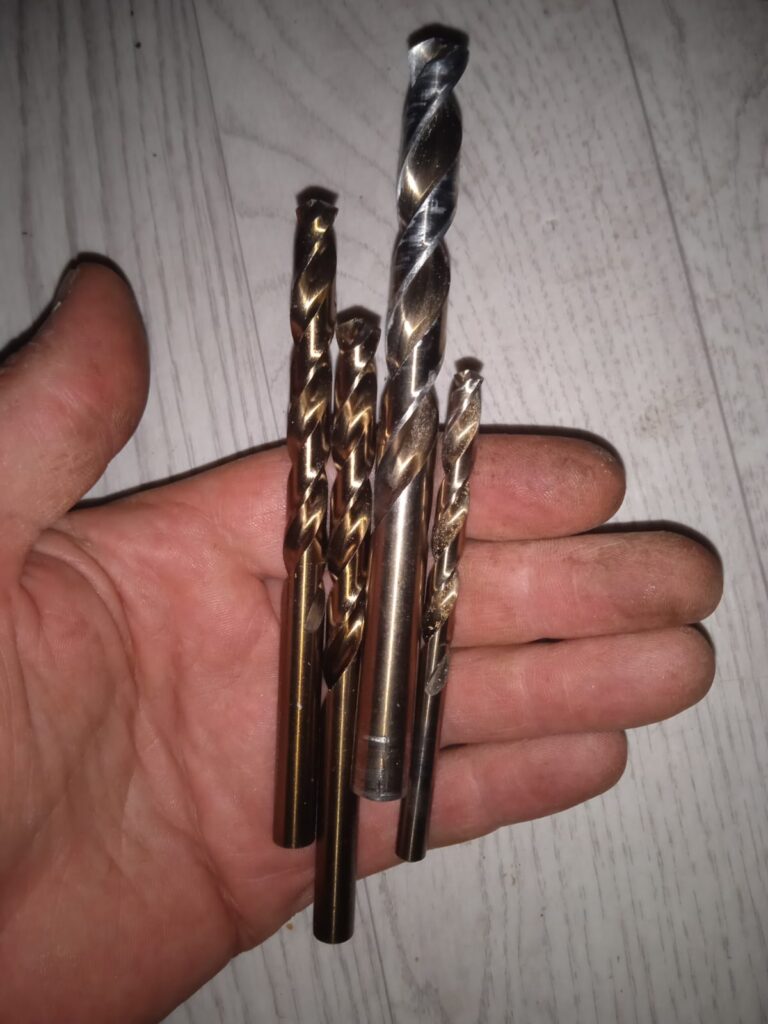
- [ Metric Cobalt Drill Bit Set (Including 6mm & 11.5mm)] – Standard bits will just burn up. Cobalt is mandatory for hardened crank bolts.
- [ Heavy-Duty Corded Power Drill] – My standard drill literally started smoking during this job. You need a high-torque corded drill that won’t burn out under sustained loads.
- [ Metric Tap and Die Set (M12x1.75)] – Essential for chasing and cleaning the threads before installing the new bolt.
- [Automatic Center Punch] – If your pilot hole is off-center, you will destroy the crankshaft threads.
Don’t wait until you hear a terrifying knock to prepare. Download a reliable engine ear ai tool today, and keep a solid set of extraction tools in your garage.
Ready to turn your smartphone into a digital mechanic? I’ve already tested the top applications in the garage to see which ones actually deliver. Check out my complete hands-on guide to the [ Best Free AI Car Noise Diagnostic Tools here]