How AI Helps Calculate Car Repair Costs – And Why Mechanics Hate It When You Know The Price
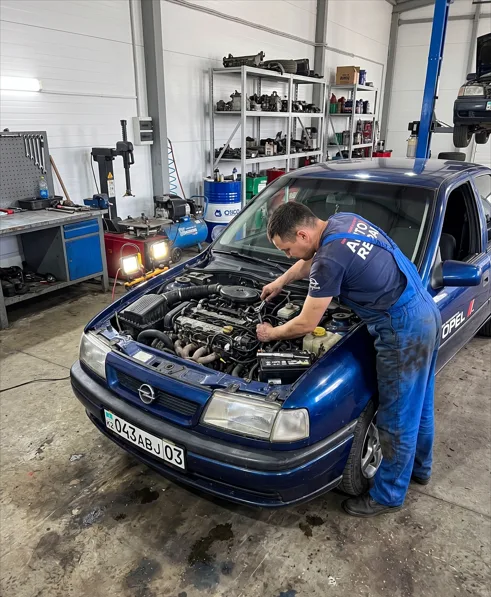
AI car repair cost estimate. I have owned and repaired older cars for years. My 1993 Opel Vectra has taught me quite a few lessons. Some were cheap. Others were expensive mistakes.
But one thing has always annoyed me: getting two completely different repair estimates for exactly the same problem.
I remember asking two mechanics about a repair. The first gave me one price. The second offered to do the same job for considerably less.
Who was right?
I didn’t know. And that is exactly the problem most car owners face.
Today, I approach repairs differently. I check the symptoms, look up replacement parts, compare prices, and use AI to estimate what the repair should cost before visiting a garage.
I’m not saying every mechanic tries to overcharge customers. Good mechanics have experience, expensive equipment, and bills to pay. But I want to understand what I’m paying for.
And AI is making that much easier.
AI car repair cost estimate. Why Two Mechanics Give You Two Different Prices
Let’s start with something simple.
Imagine your engine starts making a ticking noise. You take the car to two different repair shops.
The first mechanic says you need new hydraulic lifters and gives you an estimate of $400.
The second says the problem might be simpler and offers to inspect it for less.
Why such a difference?
There are several reasons:
- Labor costs: A large repair shop has different expenses from a small independent garage.
- Parts quality: Original equipment, aftermarket, and budget replacement parts have different prices.
- Diagnosis: One mechanic may identify a single faulty component. Another may recommend checking several related components.
- Engine design: Replacing the same component can take two hours on one engine and considerably longer on another.
- Location: Labor rates in New York or California can be very different from those in smaller American towns.
- Experience: An experienced mechanic may complete a familiar repair faster.
A higher estimate doesn’t automatically mean somebody is trying to cheat you.
But a customer has every right to ask how the price was calculated.
This is where AI becomes useful.
How AI Calculates Car Repair Costs in 3 Steps
AI doesn’t magically know the exact repair price. It needs information about the vehicle, the symptoms, and the parts involved.
I find it easiest to divide the process into three steps.
Step 1. Identify the Possible Problem
First, you need to understand what might be wrong.
You can describe the symptoms to an AI assistant, upload diagnostic trouble codes, or provide an audio recording of the engine.
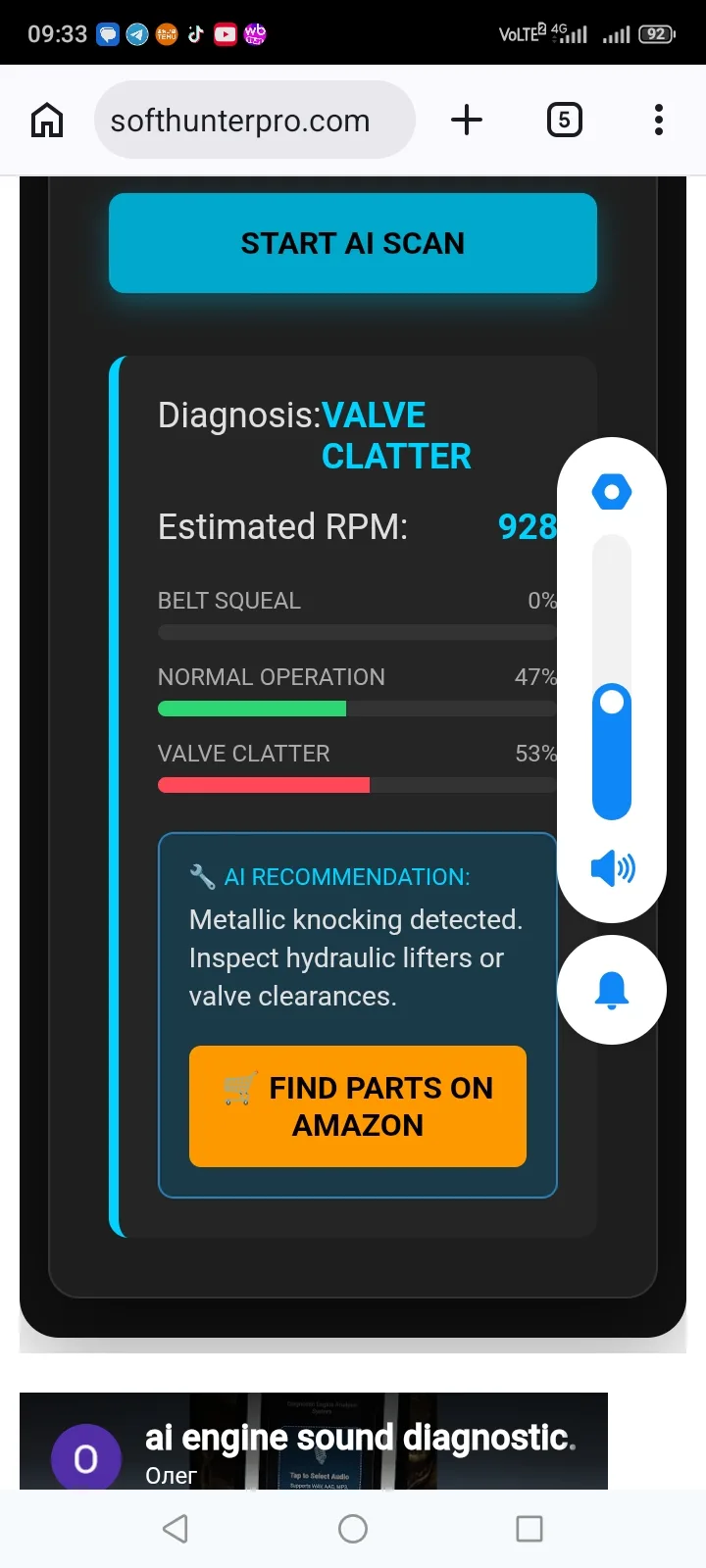
For example, if your engine makes a ticking noise, an AI engine sound diagnosis tool can analyze the recording and identify patterns associated with possible hydraulic lifter noise, valve noise, or other mechanical problems.
A car sound diagnosis app free can be a useful starting point if you don’t own an OBD2 scanner.
I’ve also tested EngineEar AI and our own engine sound diagnosis system. The interesting part is that these tools can examine sounds that ordinary drivers might find difficult to describe.
Of course, an audio result is not a confirmed diagnosis. Different components can produce similar noises, so further inspection may be necessary.
Step 2. Find Parts and Labor Costs
Once you have a possible diagnosis, you can start looking at replacement parts.
Let’s say the suspected problem is hydraulic lifter noise.
You may need:
- Hydraulic lifters.
- A gasket set, depending on the engine design and repair procedure.
- Engine oil.
- An oil filter.
- Additional seals or replacement components if required.
Then comes labor.
Some engines allow relatively straightforward access to the lifters. Others require much more disassembly.
AI can help organize the parts list and estimate labor costs based on the vehicle and repair.
Step 3. Calculate the Total
Now combine the parts cost, labor, and additional materials.
For example:
| Expense | Estimated cost |
|---|---|
| Replacement parts | $100 |
| Labor | $200 |
| Additional materials | $30 |
| Estimated total | $330 |
This is an example, not a guaranteed repair quote.
The actual price depends on the engine, parts availability, local labor rates, and the amount of work required.
Example: How Much Does Hydraulic Lifter Replacement Cost?
I know this repair particularly well because I replaced the hydraulic lifters on my 1993 Opel Vectra.
The engine had been ticking for months. The noise was especially noticeable during cold starts.
I recorded approximately five seconds of engine sound and uploaded it to our AI diagnostic tool.
The system identified possible hydraulic lifter noise.
I already suspected the lifters, but I wanted another opinion before opening the engine.
Later, I replaced them myself.
Unfortunately, I made a mistake. I dropped a small valve shim into an oil channel because I hadn’t covered the openings with a rag.
At first, I thought the shim had fallen into the oil pan. I removed the pan and found nothing.
Eventually, I had to remove the cylinder head to retrieve it.
A job that should have been relatively straightforward turned into a full-day repair.
That experience taught me something: calculating the cost of replacement parts is only half the job. You also need to understand what the repair actually involves.
For someone paying a professional mechanic in the United States, labor can make up a large part of the final bill.
Common Car Repairs and Average Costs in the US
Here are some approximate repair costs that can help when preparing a budget.
| Repair | Estimated US cost |
|---|---|
| Hydraulic lifter replacement | $250–$400 |
| Rod knock repair | $800–$1,500 |
| Valve adjustment | $150–$300 |
| Alternator replacement | $300–$500 |
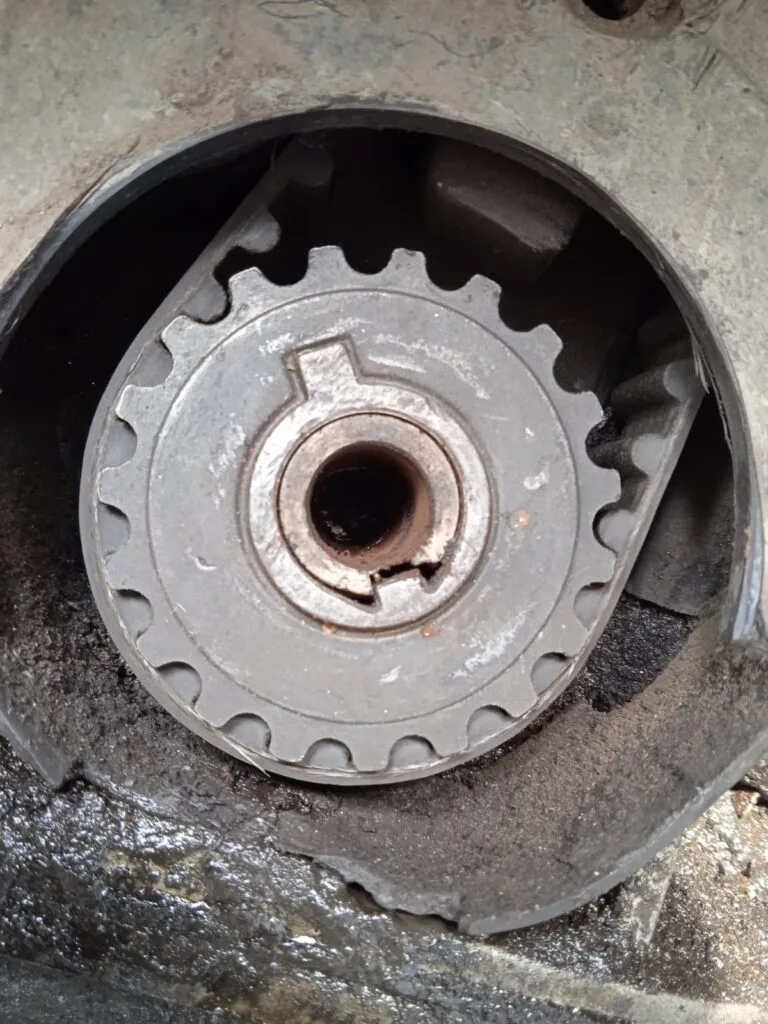
| Timing belt replacement | $400–$700 |
| Spark plug replacement | $100–$200 |
These figures are rough budgeting estimates, not verified nationwide averages. Actual prices vary depending on the vehicle, engine configuration, parts quality, location, and labor rates.
Rod knock deserves special attention. It can indicate serious internal engine damage. A simple estimate may not cover the cost of crankshaft or connecting rod repairs.
Never continue driving a vehicle with serious metallic knocking just because an AI estimate suggests the repair might be affordable.
How to Use AI and a Repair Cost Calculator Together
Engine Repair Cost Calculator
Estimate internal combustion engine repair costs for popular makes in the USA. Prices in US dollars.
Vehicle & shop
Repairs needed
Estimated cost
Estimates only, based on typical US averages for mid-range vehicles. Actual quotes vary by model year, engine, parts brand, and shop. Get a written quote before authorizing work. Sales tax, towing, and fluids are not included.
This is probably the most practical approach for an ordinary driver.
Instead of asking AI a general question like “How much does it cost to repair an engine?”, provide specific information.
For example:
“My car is a 2012 four-cylinder gasoline vehicle. The engine makes a ticking noise when cold, and the noise becomes quieter after warming up. What could cause this, which parts should be checked, and what is the approximate repair cost in the United States?”
You can also provide an OBD2 trouble code or an engine recording.
Then ask AI to separate the estimate into three categories:
- Replacement parts and their approximate prices.
- Estimated labor hours and labor costs.
- Additional materials and possible expenses.
You can request two different estimates: one using quality aftermarket parts and another using original equipment parts.
If you are investigating an unusual engine noise, an ai engine sound diagnosis tool can provide another piece of information before you calculate the repair budget.
Finally, compare the AI estimate with an actual quote from a local repair shop.
I wouldn’t approve an expensive repair based on an AI answer alone. But I would definitely use it to prepare questions before visiting a mechanic.
Why Some Mechanics Don’t Like It When You Know the Price
Let’s be honest.
Not every mechanic enjoys customers arriving with screenshots, parts prices, and AI-generated repair estimates.
I understand why.
Some customers watch a five-minute video and suddenly believe they know more than someone who has spent twenty years repairing engines.
That is not what I’m suggesting.
AI cannot replace practical experience. It cannot remove a cylinder head, measure bearing clearance, or feel an unusual vibration with its hands.
But there is another side to this.
When a customer understands the difference between parts costs and labor costs, it becomes easier to discuss the repair.
If somebody tells me that a repair will cost $500, I want to know:
- Which parts are being replaced?
- How much do those parts cost?
- How many labor hours are included?
- Is additional work necessary?
- What warranty comes with the repair?
These are normal questions.
A good mechanic should have no problem explaining the work and the price.
In my opinion, AI should make communication between mechanics and customers better, not turn every repair into an argument.
Where To Buy Parts After You Calculate The Cost
Once you understand which components might need attention, you can start comparing prices.
I recommend checking more than one supplier. The cheapest part is not always the best choice, especially when it comes to engine components and safety-related repairs.
Here are some useful starting points for common automotive parts and tools.
Diagnostic Equipment and Tools
- OBD2 Bluetooth Scanner – Useful for reading diagnostic trouble codes and checking supported live engine data.
- Engine Stethoscope – Helps locate mechanical noises around the engine. Keep it away from moving components.
Engine Parts and Maintenance
- Hydraulic Lifters – Replacement hydraulic valve lifters. Always check engine compatibility.
- Spark Plugs – Choose the correct type and heat range for your engine.
- Engine Oil 5W-30 – Common engine oil viscosity for many modern vehicles.
- Engine Oil 10W-40 – Used in some older engines where specified by the manufacturer.
- Oil Filter – Replace it when performing an oil change.
- Air Filter – Helps keep dirt and debris out of the engine.
- Timing Belt Kit – Often includes the belt and tensioner, depending on the kit.
Electrical and Braking Components
- Alternator – Charges the battery and supplies electrical power while the engine runs.
- Car Battery – Check dimensions, terminal arrangement, and required specifications.
- Brake Pads – Always match the pads to the exact vehicle and braking system.
Another useful parts supplier is RockAuto. It offers a wide range of automotive replacement parts for different makes and models.
For repair information and technical references, I also recommend checking:
- Haynes – Repair manuals and practical maintenance information.
- Opel – Manufacturer information and vehicle support.
- Bosch – Automotive technology, components, and diagnostic systems.
- RockAuto – Parts catalogs and replacement components.
Always check the exact part number and vehicle compatibility before ordering. A part that looks identical may not fit your engine.
As an Amazon Associate we earn from qualifying purchases.
My Final Thoughts
I don’t think AI will make car repairs cheap overnight.
Parts will still cost money. Mechanics will still charge for their time. Some repairs will remain expensive because they require specialist equipment and a lot of labor.
But AI can change one important thing: how much information the customer has before agreeing to a repair.
I like the idea of being able to record an engine, get an initial assessment, look up possible replacement parts, and calculate an approximate repair budget before visiting a garage.
I also think tools such as EngineEar AI and other sound-based diagnostic applications will become more useful as their databases grow and their models improve.
For now, I would use a car sound diagnosis app free to investigate unusual noises, an OBD2 scanner to check electronic faults, and an AI assistant to understand possible repair costs.
Then I would take that information to a qualified mechanic.
I’m not trying to tell mechanics how to do their jobs. I just want to know what is wrong with my car and what I’m paying for.
And I don’t think there is anything wrong with that.
Disclaimer: I am not a professional mechanic. The repair prices in this article are approximate US dollar estimates and can vary significantly depending on the vehicle, location, parts, and labor rates. AI-generated repair estimates are averages, not confirmed quotes. Always have serious mechanical problems inspected by a qualified mechanic before authorizing repairs or continuing to drive.
AI is changing more than just repair cost estimates. It is also transforming how mechanics identify engine problems. I explored this in my article about [how AI is changing car repair and the future of engine diagnostics].
“If you want to understand the core physics behind these acoustic signatures, check out our previous deep-dive into [how to diagnose engine issues by sound]