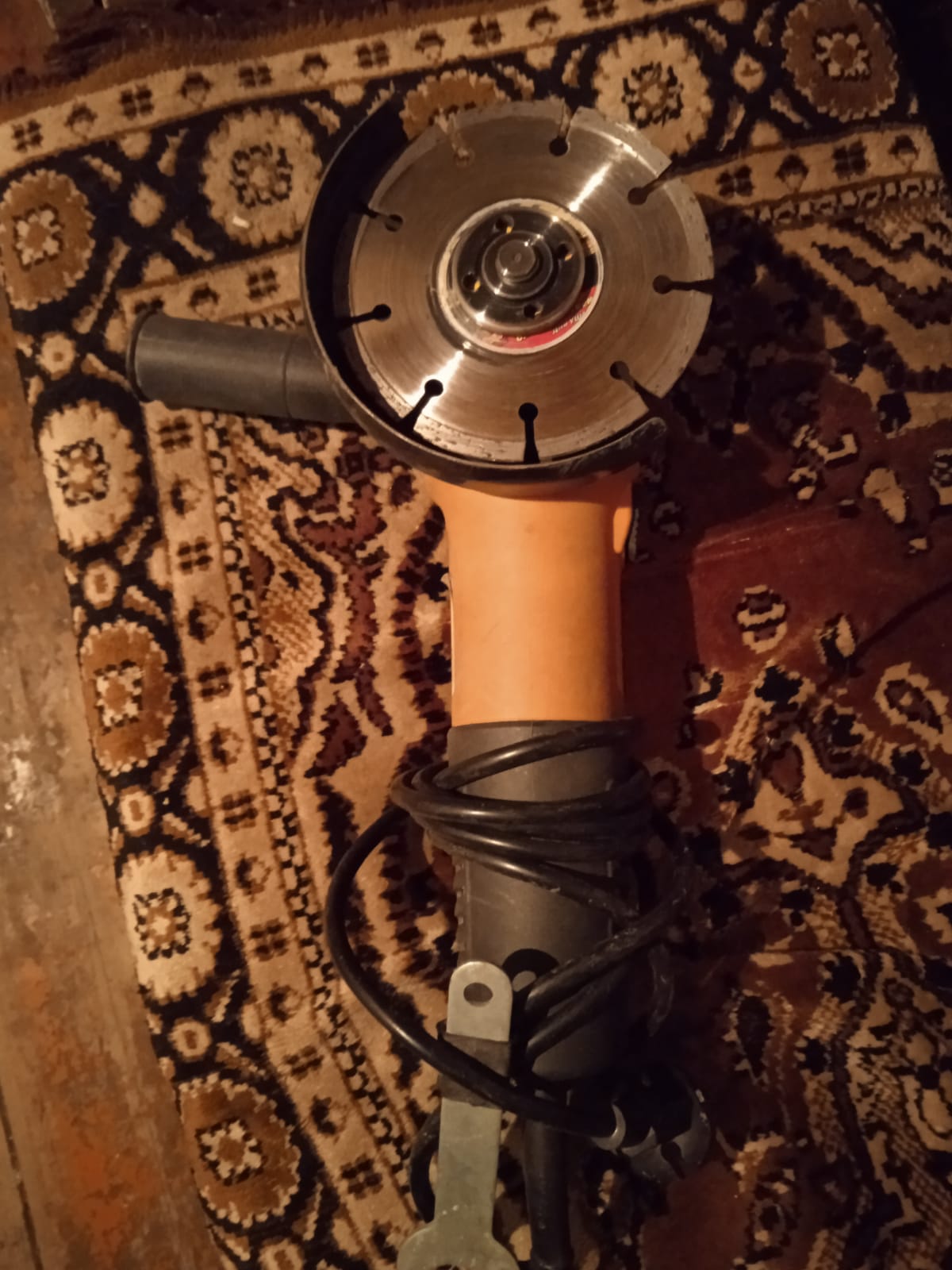
How to Use AI to Choose the Best Angle Grinder for DIY Metalwork
Disclosure: This article contains affiliate links. If you purchase tools or equipment through these links, SoftHunterPro may earn a small commission at no extra cost to you. This helps fund our DIY projects and AI research.
Use AI to Choose the Best Angle Grinder. If you read my recent post on how a single AI prompt helped me design a [ DIY Metal Grill article: DIY metal grill (mangal)] from scratch, you know I rely on artificial intelligence for engineering solutions. But having a great digital blueprint is useless if your tools melt down halfway through the job.
Recently, I received an email asking: “Can AI help me pick the right power tools for my workshop?” The short answer is yes. But you have to know how to ask. The power tool market is flooded with marketing jargon. Brands push high RPMs and shiny 20V batteries, but when you are elbow-deep in thick steel, marketing won’t cut it. Today, I’ll show you exactly how to use AI to choose the best angle grinder for DIY, bypassing the sales pitch and focusing strictly on engineering specs.
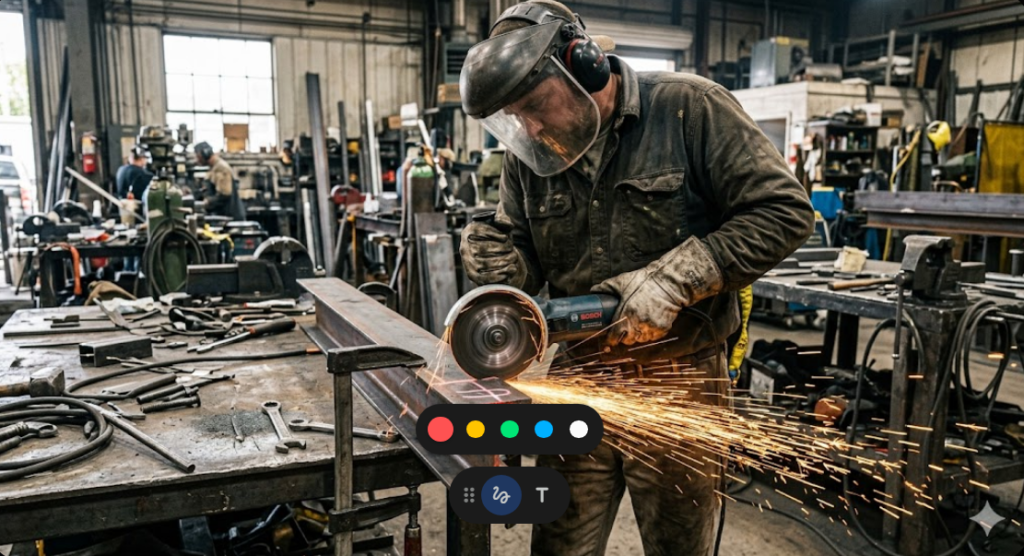
Using ChatGPT to Compare Angle Grinder Specs for Metalwork
When shopping for an angle grinder, most beginners just look at the price and the brand color. However, to make an informed decision, you need to understand the physics of the tool.
Instead of spending hours reading confusing Amazon reviews, I use AI-powered tool recommendations for home garage projects. The trick is to feed the AI the technical data sheets of two different tools and ask it to analyze them for your specific task.
Here are the best AI prompts for power tool comparison 2026:
Copy this prompt: > “Act as a master metalworker and tool engineer. I need to cut 4mm thick steel for a custom BBQ grill. Compare Tool A [Insert Brand & Model] and Tool B [Insert Brand & Model]. Do not give me marketing fluff. Analyze their Amperage, RPM under load, cooling systems, and gear ratios. Tell me which one will survive continuous heavy-duty cutting without overheating.”
By using this prompt, AI acts as your personal garage engineer, translating watts and amps into real-world performance.
Angle Grinder Torque vs RPM for DIY Metal Fabrication
One of the biggest misconceptions in DIY metal fabrication is that higher RPM (Revolutions Per Minute) equals a better tool. AI quickly debunked this when I was planning my metal grill build.
If you are polishing or grinding welds, high RPM (10,000+) is fantastic. But when you are cutting through a thick steel tank, excessive RPM without enough power causes the cutting disc to bind, overheat, and shatter. You need torque to push through the resistance. A high-amp motor (11 to 15 Amps) geared for slightly lower RPMs will maintain its cutting speed under heavy load, preventing motor burnout.
Corded vs Cordless Angle Grinder for Heavy DIY Projects
Another dilemma I asked my AI assistant to solve was the power source.
If you are up on a ladder cutting a single rusty bolt, a 20V cordless grinder is a lifesaver. But if you are asking, “What size angle grinder is best for building a DIY mangal?”, the AI analysis is brutally honest: Go corded.
Cutting a large steel tank requires continuous, sustained power for 15-30 minutes at a time. A cordless grinder will drain a 4.0Ah battery in under 10 minutes under that kind of load. Furthermore, as the battery depletes, the torque drops, increasing the risk of kickback. For heavy stationary DIY projects, a 4.5-inch to 5-inch corded angle grinder with an 11+ Amp motor is the undisputed champion.
AI Specification Breakdown: Finding the Right Fit
To make things easier, I asked AI to generate a strict engineering comparison between typical grinder classes for garage use.
Power Tool Comparison Table for Metalwork
| Tool Category | Best Used For | Power Source | Torque Focus | AI Verdict for Building a BBQ Grill |
| 4.5″ Light-Duty (7-Amp) | Sharpening mower blades, cutting thin rebar | Corded (120V) | Low | Fail. Will overheat quickly on thick steel plates. |
| 4.5″ Cordless (20V/18V) | Quick repairs, remote jobs without outlets | Battery | Medium | Passable. Good for quick cuts, but you will need 3-4 spare batteries. |
| 5″ Heavy-Duty (11-13 Amp) | Fabrication, cutting thick steel, heavy grinding | Corded (120V) | High | Best Choice. Perfect balance of weight, sustained torque, and continuous power. |
| 7″ to 9″ Industrial (15 Amp) | Heavy construction, pipeline work | Corded (120V) | Maximum | Overkill. Too heavy for precise DIY cuts, high risk of kickback for beginners. |
Use AI to Choose the Best Angle Grinder. Conclusion
Choosing the best angle grinder for cutting thick steel BBQ grill parts doesn’t require a leap of faith. By using ChatGPT to compare angle grinder specs for metalwork, you can cut through the marketing noise and invest in a tool that will actually last.
Remember, artificial intelligence is more than just a writing tool; it is an analytical powerhouse for your garage.
Have you used AI to help with your DIY projects? Check out our [Free AI Engine Diagnostic Tool] to see how neural networks can even listen to your car engine and tell you what’s wrong!
Safety & Liability Disclaimer: Metal fabrication and the use of power tools, particularly angle grinders, involve inherent risks of serious personal injury or property damage. The information, AI prompts, and tool recommendations provided in this article are for educational and informational purposes only. Always read your tool’s manufacturer manual, wear appropriate Personal Protective Equipment (PPE) such as safety goggles, face shields, and heavy-duty gloves, and strictly follow standard workshop safety protocols. SoftHunterPro and its authors assume no liability for any accidents, injuries, or damages resulting from the use or misapplication of the information contained herein. Work smart, work safe.