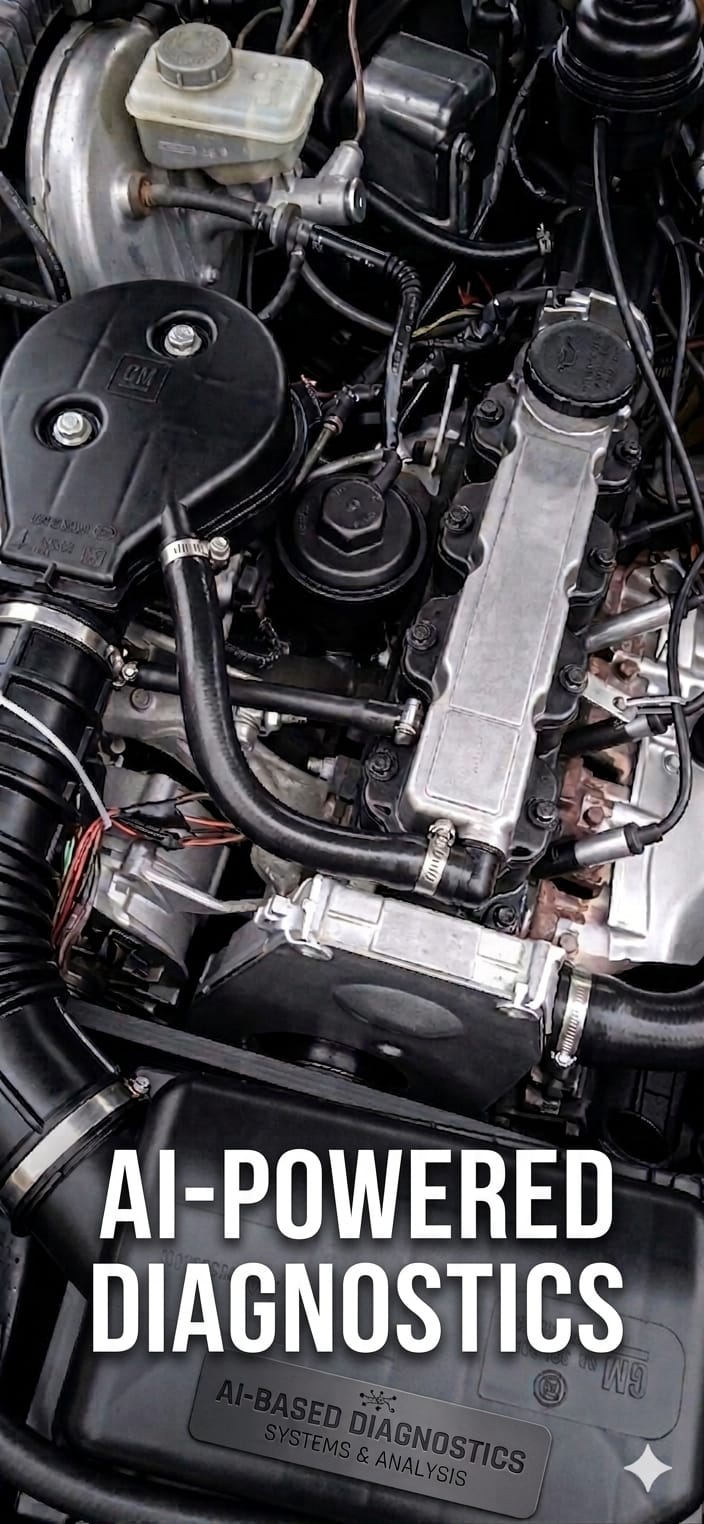
Free AI Engine Diagnostic Tool: Upload Audio & Find the Problem
Every car owner knows that sinking feeling. You start your vehicle, and instead of a smooth hum, you hear it: a rhythmic ticking, a sharp tap, or worse—a deep metallic knock.
Before you panic, call a tow truck, or pay a mechanic $150 just for a “visual inspection,” let’s run some basic diagnostics right in your driveway.
We built the AI-Garage Scanner to do exactly what an experienced mechanic does: isolate specific frequencies in your engine’s sound to pinpoint mechanical wear. You don’t need to be an engineer to use it. Just record the sound, upload the file, and let the algorithm do the heavy lifting.
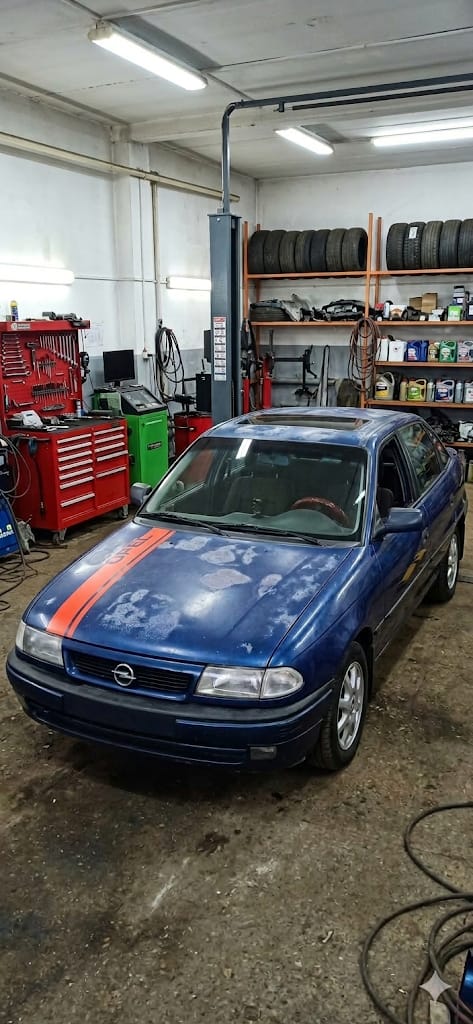
How to Use the AI Audio Scanner
For the most accurate results, give the algorithm a clean audio sample:
- Pop the hood: Don’t record from inside the cabin. Open the hood and get your phone close to the engine block.
- Hold steady: Record a 10 to 15-second audio clip (
.mp3,.wav, or.m4a) while the engine is idling. - Upload below: Drop the file into the scanner. The tool will strip away background noise (like belt whine or exhaust rumble) and scan purely for the mechanical impacts associated with valve tapping and lifter wear.
What Do The Results Mean?
Our algorithm specifically targets the 2000 Hz to 5000 Hz frequency range. Why? Because this is the exact acoustic signature of metal-on-metal impact in the upper cylinder head (ГБЦ).
- 🟢 CLEAN (Smooth Baseline): The AI detects normal combustion and rotating mass sounds. No sharp metallic peaks. Keep up with your regular oil changes.
- 🟡 NOTICE (Probable Upper Block Wear): The system hears a distinct ticking rhythm. This is usually the sound of a failing hydraulic lifter (tappet) or excessive valve clearance.
- 🔴 CRITICAL (Clear Tapping/Knocking): The percussive noise is drowning out the baseline engine sound. This requires immediate attention to prevent catastrophic failure.
Free ai engine diagnostic tool. The AI Found a Problem. What’s Your Next Step?
If the scanner flagged a high-intensity knock or tap, you need to physically verify the source before tearing the engine apart. Here is the standard DIY diagnostic protocol:
1. Pinpoint the exact cylinder Don’t guess where the sound is coming from. Use a real Mechanic’s Stethoscope . Place the metal probe on different parts of the valve cover. The ticking will be painfully obvious through the earpieces when you hit the exact failing lifter.
2. Try the “Chemical Fix” first If the AI detected a light tick (especially on cold starts), you likely have a sticky hydraulic lifter that isn’t pumping up with oil properly. Before paying for a valve job, run a high-quality additive designed to dissolve oil varnish inside the lifters. We usually recommend Liqui Moly Hydraulic Lifter Additive for this specific issue.
3. Check your clearances (For manual valves) If your engine uses solid lifters, that ticking means your valve lash is out of spec. You’ll need a set of Feeler Gauges to measure the gap between the cam and the bucket, and a wrench to bring it back to factory tolerances.
“By the way, if you are upgrading your DIY approach, you might also find our article on [BBQ vs Shashlik: How AI Designed My Free DIY Metal Grill] incredibly useful.”
Disclaimer: This AI tool is an acoustic diagnostic aid designed for educational and preliminary troubleshooting purposes. Always consult with a certified mechanic for major repairs.