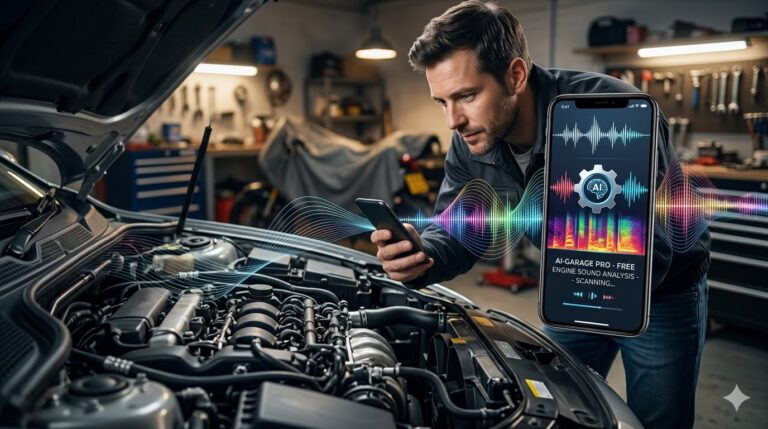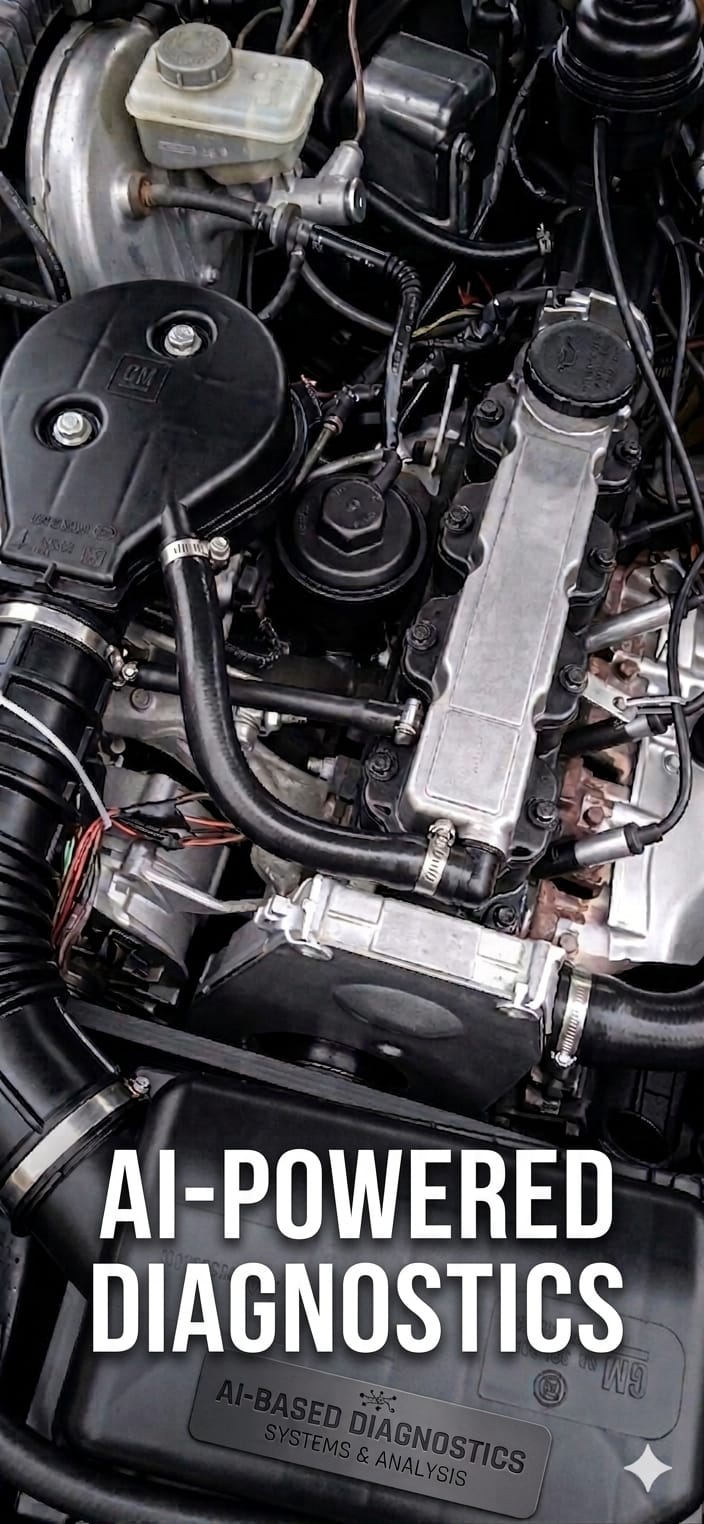
Analyze Car Engine Noise Online: Use AI to Diagnose Your Alternator and Engine Issues
“Hearing an unusual sound from under your hood can be stressful for any car owner. Whether it’s a high-pitched whine or a low-frequency knock, the ability to analyze car engine noise online can save you hundreds of dollars in unnecessary repairs. Instead of guessing, you can now use professional-grade acoustic analysis to pinpoint the exact source of the trouble instantly.”
“As a DIY enthusiast who spent years in a garage with an old Opel, I realized that our ears aren’t always enough to distinguish a belt squeal from a bearing whine.”
Have you ever spent hours wondering, “how to know if alternator bearing is bad” while staring helplessly at your engine bay? You are not alone. A strange whistling or a rhythmic ticking can be the first sign of a $500 repair bill—or just a loose bolt.
At softhunterpro.com, we believe in “No-Nonsense Engineering.” That’s why we developed a free, browser-based tool that allows any DIYer to analyze car engine noise online using just a smartphone microphone. No expensive OBD-II scanners, no greasy hands—just data-driven diagnostics.
Why Use AI to Analyze Car Engine Noise Online?
Human ears are excellent at detecting sounds, but they are easily deceived by echoing engine bays and cooling fans. Our AI-Garage tool uses Fast Fourier Transform (FFT) technology to look at the “hidden” frequencies of your motor.
By choosing to analyze car engine noise online with our app, you get a digital second opinion. Whether you want to identify a specific car noise by recording or check your engine’s health before a long trip, our AI provides a frequency-based breakdown of what’s happening under the hood.
How to Test if Your Alternator Bearing is Bad (Step-by-Step)
If you suspect your charging system is failing, follow this guide to test your alternator using our diagnostic interface:
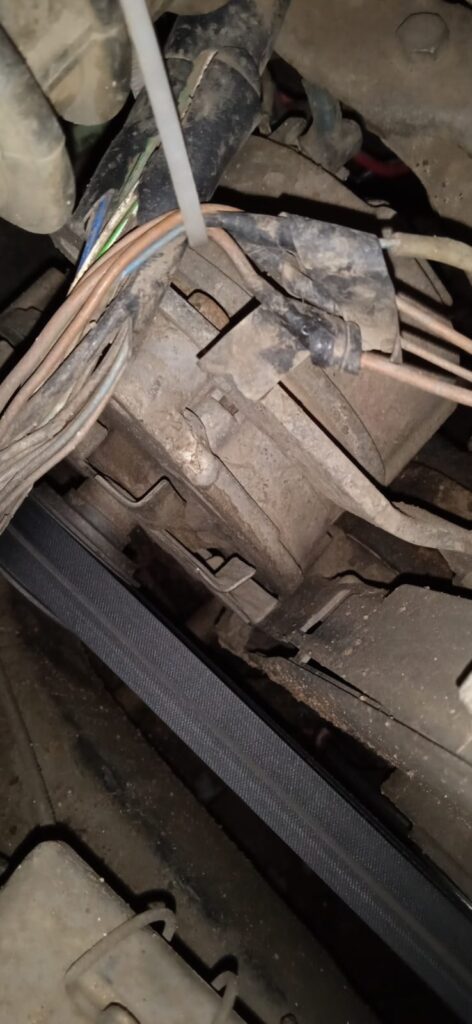
- Preparation: Park the car in a quiet spot, open the hood, and locate the alternator.
- Safety First: ⚠️ Ensure your phone, loose clothing, and hair are kept well away from moving belts, pulleys, and the cooling fan.
- Record: Open the [AI-Garage App]. Place your phone’s microphone about 10–15 cm away from the alternator housing.
- Analyze: Select “Alternator Mode” and hit record for 10 seconds.
- Interpret: Our AI focuses on high-frequency signatures (usually above 2500 Hz) that indicate bearing friction or diode bridge failure.
Troubleshooting Table: Alternator vs. Engine Knocks
It can be difficult to distinguish between a dying alternator bearing and a potential lifter tick. Use this table to understand the results after you analyze car engine noise online:
| Symptom | Typical Frequency | Likely Cause | AI-Garage Verdict |
| High-pitched whine | 2500 – 5000 Hz | Alternator bearing or belt | 🚨 Critical Wear |
| Rhythmic clicking | 200 – 800 Hz | Hydraulic lifter ticking | ⚠️ Mechanical Issue |
| Deep heavy thumping | 50 – 150 Hz | Main bearing or rod knock | 🛑 Immediate Service |
| Grinding under load | Variable | Alternator Diode Bridge | ⚡ Electrical Fault |
How Long Do Alternator Bearings Last?
Typically, alternator bearings last between 80,000 to 150,000 miles. Their lifespan depends heavily on belt tension, driving conditions, and environmental factors like dust or salt.
If you use our tool to analyze car engine noise online and receive a “Red Zone” result, it is time to act. Replacing a bearing or the entire alternator now is significantly cheaper than being stranded with a dead battery and a hefty towing bill.
Pro Tip: If your engine produces a deeper sound than a whine, make sure to check our previous guide on Engine Mechanical Diagnostics, where we explain how to detect internal piston and valve issues using acoustic signatures.
Ready to listen to your car?
The Future of DIY Diagnostics: Why Your Smartphone is the New Stethoscope
Traditionally, mechanics used a literal stethoscope to touch different parts of a running engine to find a failing bearing. While effective, this method is dangerous and requires years of experience to “calibrate” your ears. By choosing to analyze car engine noise online, you are leveraging thousands of data points that the human ear simply cannot process.
Our ai engine sound diagnostic tool is designed to grow. We are constantly updating our database with new acoustic signatures from different makes and models. This means that every time you use the tool, you are getting the most up-to-date diagnostic intelligence available for DIY auto repair. Don’t let a small noise turn into a catastrophic failure—take control of your car’s maintenance today.